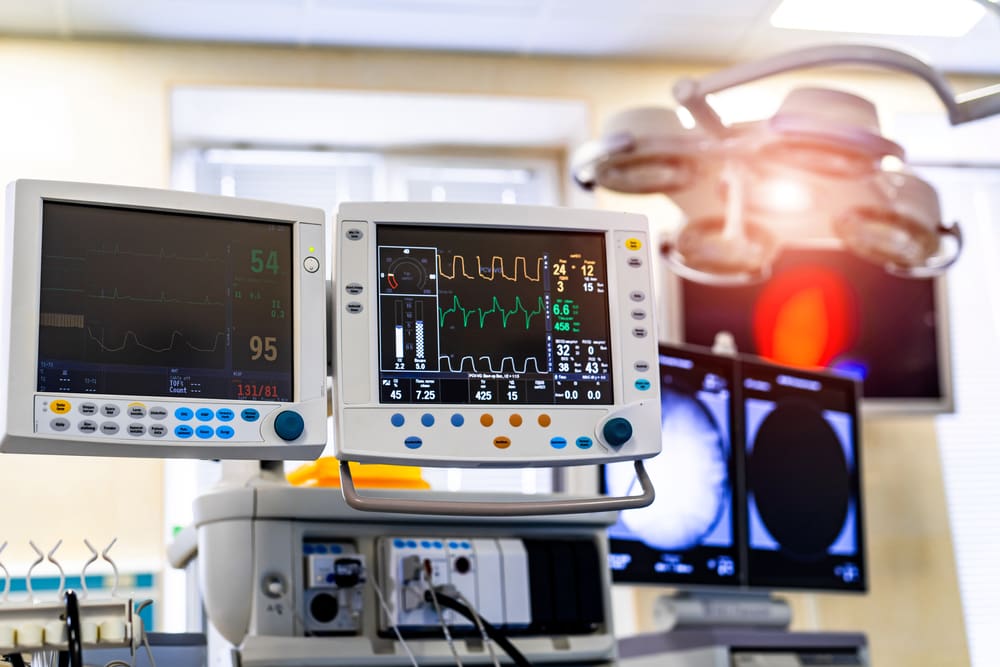
One of the primary ways medical equipment improves patient care is through precision and consistency. Diagnostic tools such as laboratory testing machines, imaging systems, and monitoring devices provide consistent and measurable results. This precision helps doctors identify medical conditions accurately and track disease progression over time. Consistent data also allows healthcare teams to adjust treatment plans based on real-time information, improving overall effectiveness.
Medical equipment also supports minimally invasive procedures, which have become increasingly common in modern medicine. Advanced surgical tools, endoscopic devices, and robotic-assisted systems enable surgeons to perform complex operations with smaller incisions. These techniques reduce pain, lower the risk of infection, and shorten hospital stays, allowing patients to recover faster and return to normal activities sooner.
In long-term and chronic care, medical equipment plays a crucial role in ongoing health management. Devices such as glucose monitors, blood pressure machines, and oxygen therapy equipment help patients manage conditions outside hospital settings. Home-based medical equipment empowers individuals to take an active role in their health while maintaining regular communication with healthcare providers. For more info about it, you can check guangzhou DR equipment manufacturer.
Another important contribution of medical equipment is its role in infection control and patient safety. Sterilization devices, disposable medical supplies, and automated cleaning systems reduce the spread of infections within healthcare facilities. Properly designed equipment minimizes physical contact and human error, which is especially important in high-risk environments such as operating rooms and intensive care units.
Training and proper usage are essential to ensure medical equipment delivers its intended benefits. Healthcare professionals must understand how to operate equipment correctly and respond to alerts or malfunctions. Regular maintenance and quality checks help prevent equipment failure and ensure accurate performance. Institutions that invest in staff training and equipment management often achieve higher safety standards and better patient satisfaction.
The future of medical equipment is increasingly focused on connectivity and personalization. Smart devices that collect and share patient data enable more personalized treatment approaches. Integration with digital health systems allows healthcare providers to monitor patients remotely and intervene early when issues arise.
In summary, medical equipment plays a central role in improving patient care, safety, and recovery. By enabling precision, supporting modern treatment methods, and empowering both patients and healthcare providers, medical equipment continues to shape the future of effective and compassionate healthcare.